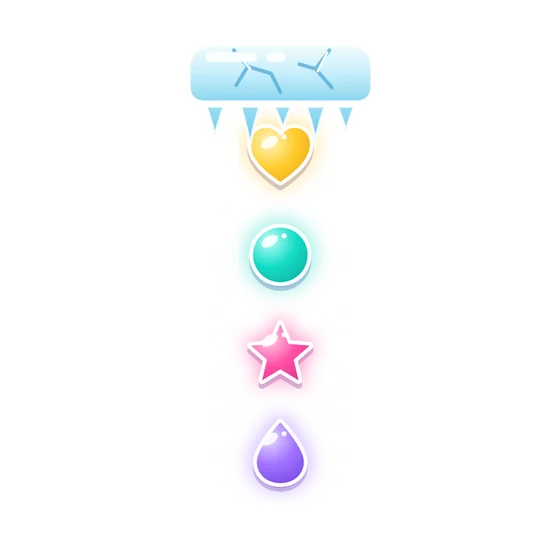
Icy jar
Its ice melts when the jar beside it is sealed. Until then it neither takes nor gives stars.

Every jar, every star and every rule you’ll meet in Star Jars, in the game’s own words.
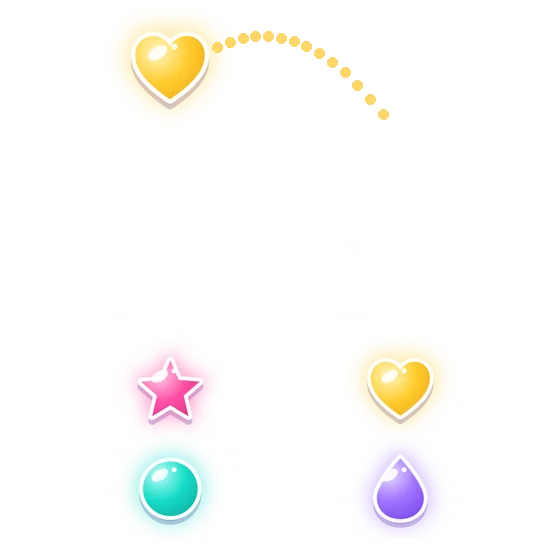
Tap a jar, then another. The matching stars on top move across. The target must be empty or have the same colour on top.
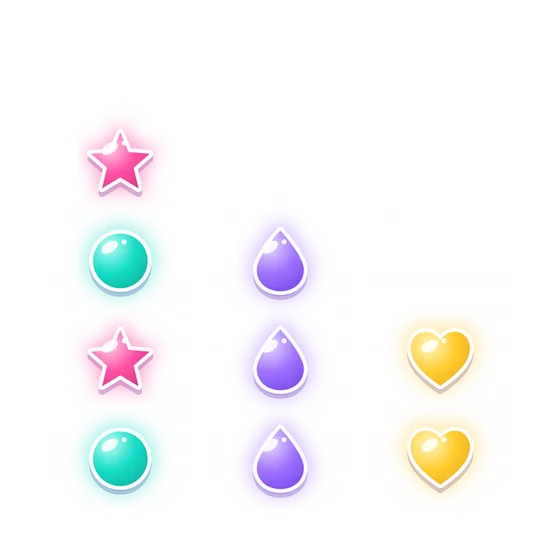
Every colour has its own shape. Sort until a jar holds a single colour. If you get stuck, undo a move or ask for a hint.
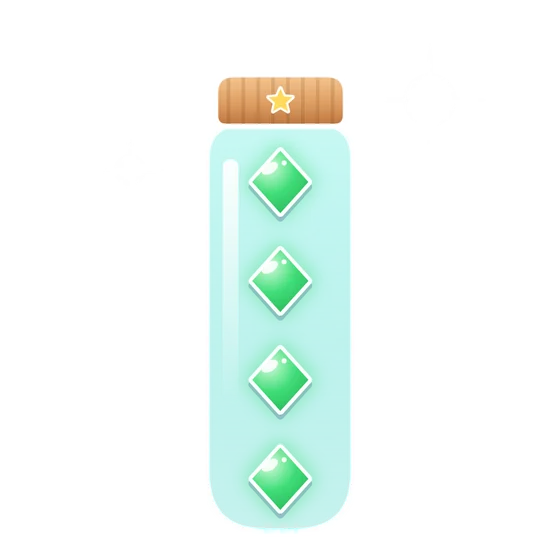
A jar full of one colour seals. When every jar is sealed or empty, the level ends and a star of the constellation lights up.
The game introduces each new jar the first time it appears. Here they all are together.
Its ice melts when the jar beside it is sealed. Until then it neither takes nor gives stars.
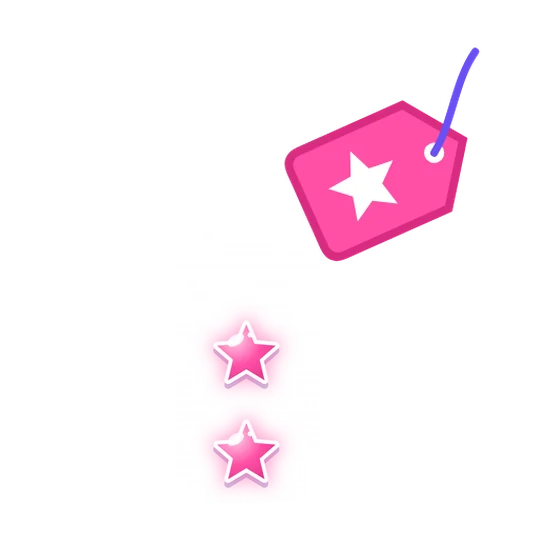
It takes only the colour on its tag. Its stars can still be taken out.
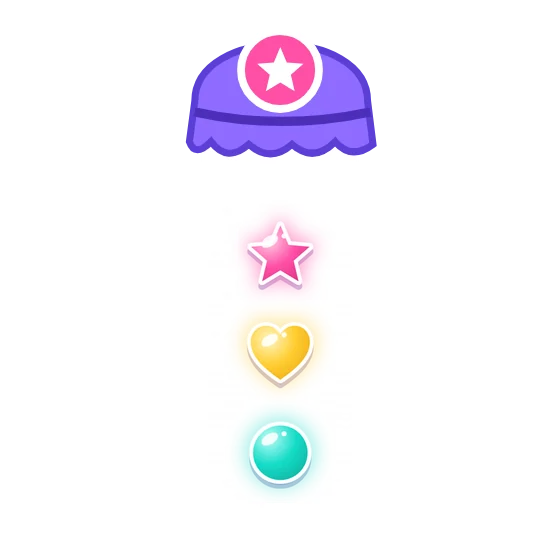
It opens when its colour is completed. Until then it neither takes nor gives stars.

These jars hold six stars, and a colour needs all six to finish.

These jars hold more stars. Fill each one with a single colour.
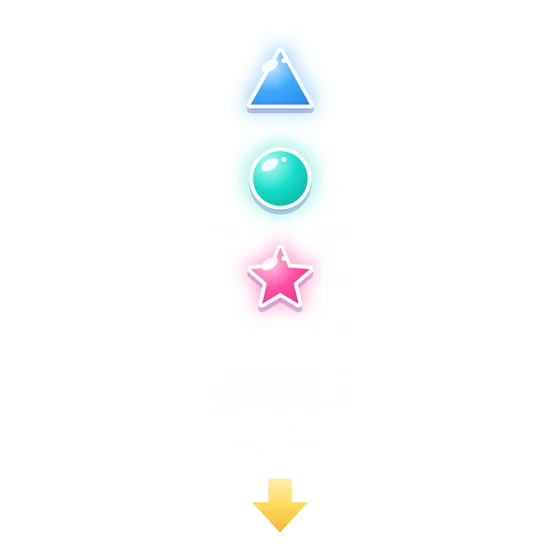
This jar stands mouth down: stars go in and out at the bottom. The next one is the bottom star.
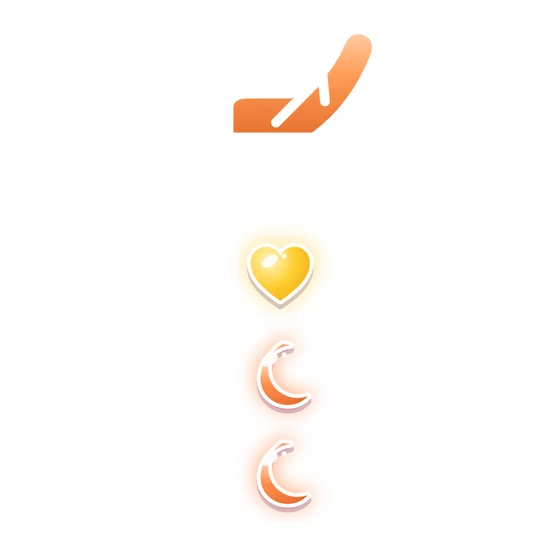
Take stars from the jar with a spout, but none can go in.
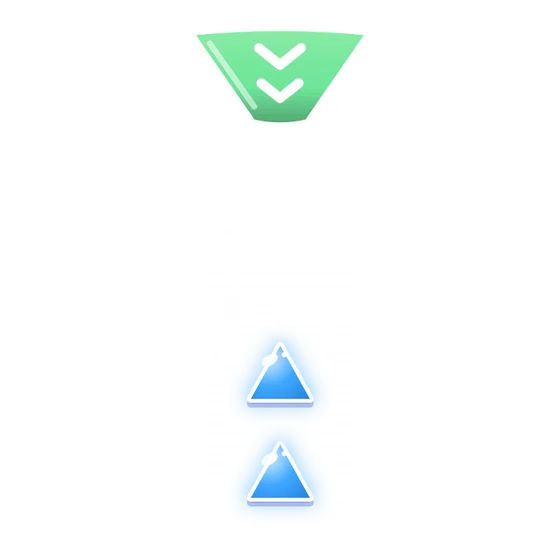
Stars go into the jar with a funnel, but none come out. It seals when full.

This jar is locked. Watch a short ad and it opens as an empty jar, once per level.
Some stars and levels come with an extra rule.
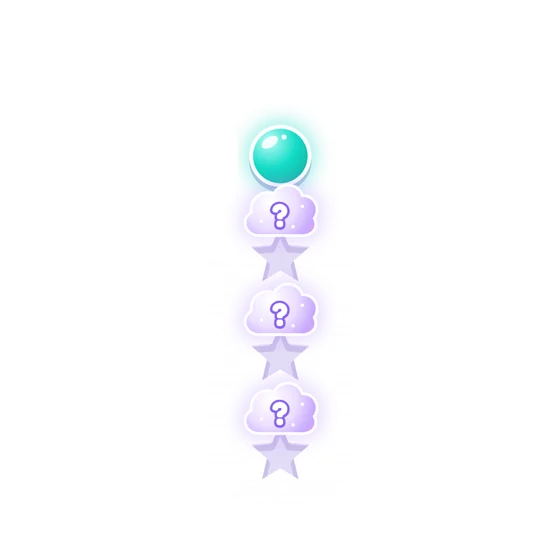
A star hides under the cloud. Pour the stars above it into another jar and the cloud clears to show it.

It goes on any colour, and any colour goes on it. It turns the colour its jar fills with.
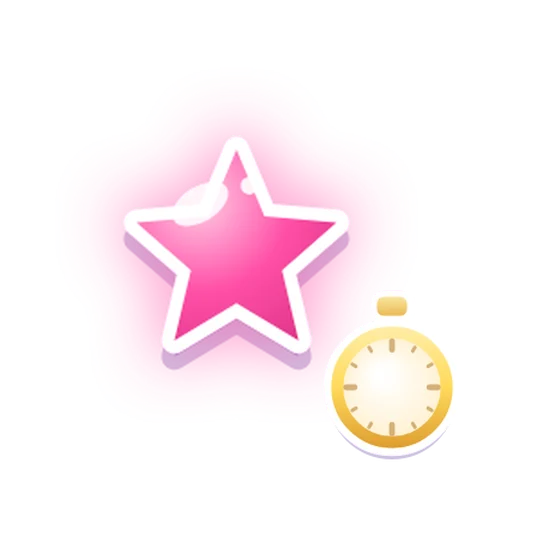
Its clock ticks down with every move. Seal its colour before it runs out, or it hides in a cloud.
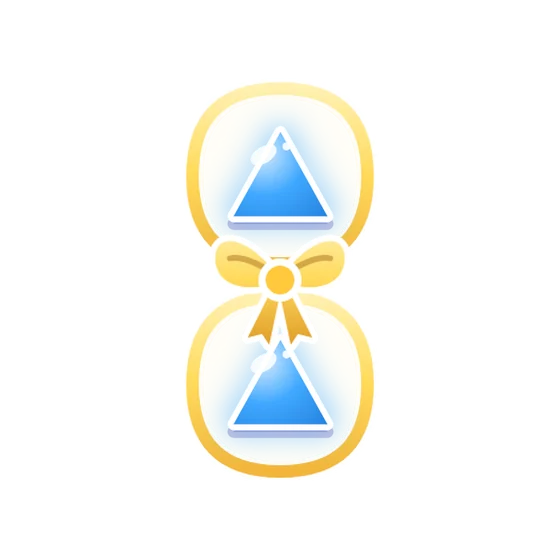
Two bound stars move only together. Where they go, two places must be free.
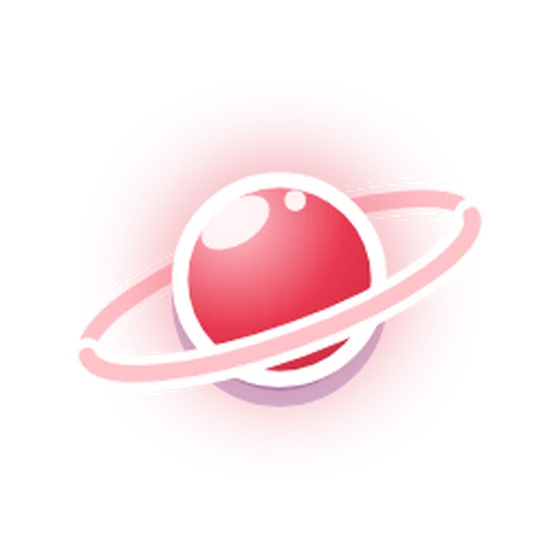
The red ringed planet is the eighth star. It too wants a jar of its own colour.

The silver crystal is the ninth star. It too wants a jar of its own colour.
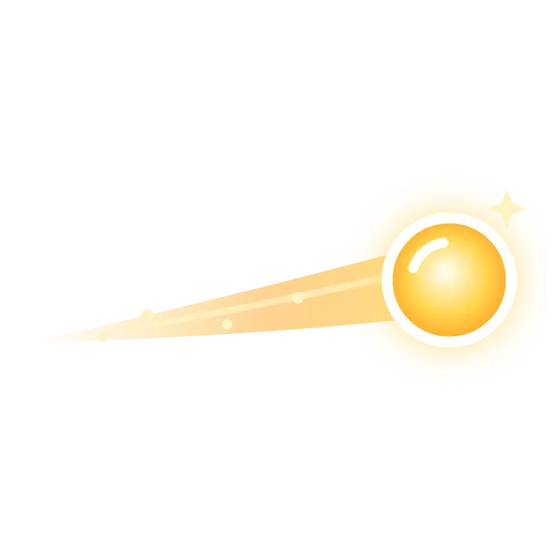
If a comet crosses the sky, tap it to win stardust.
This level counts your moves. Fill the jars before they run out.
Every constellation ends with a big jar drawn just for it. Some have a rule of their own.
The chapter’s last level: pour stars into this big jar’s chambers in order. Nothing comes back out of it.

The big jar fills only from this jar. Bring the stars here first.

The big jar wants a chamber in one pour: 4 stars of a colour at once.

This jar is frozen. Its ice melts when the big jar’s first chamber fills.

When the first chamber fills, this jar freezes; the next chamber thaws it. Leave no star in it that you need.

When the first chamber fills, the big jar throws 3 stars here. Leave room.

Your moves are counted on this level. Fill the big jar before they run out.
Special chapters that open as you travel the map. Each tells of a real object in the sky and brings its own rule.
In the fog only the top stars show. Take one and the star below appears.
In reality: A planetary nebula is the glowing shell of gas a star like the Sun casts off at the end of its life. The Owl Nebula in the Great Bear is one of them; one day the Sun will leave one too.
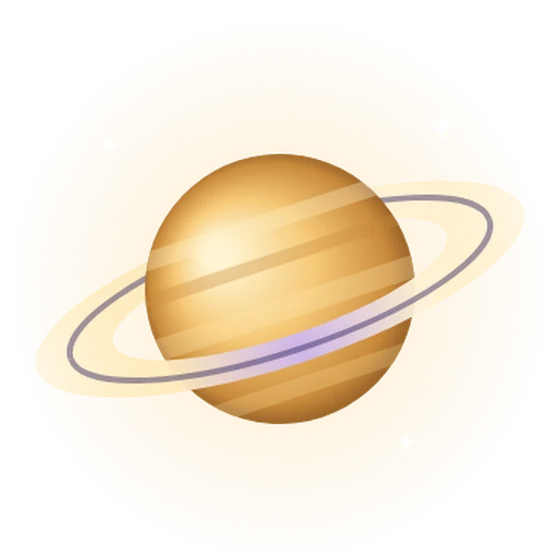
Every 3 moves the jars slide one place round the ring. The dots show how many moves are left.
In reality: Saturn’s rings are almost entirely water ice: grains from a speck of dust to a few metres across, circling the planet. The main rings reach 80,000 km out, yet in places they are only about 10 metres thick.
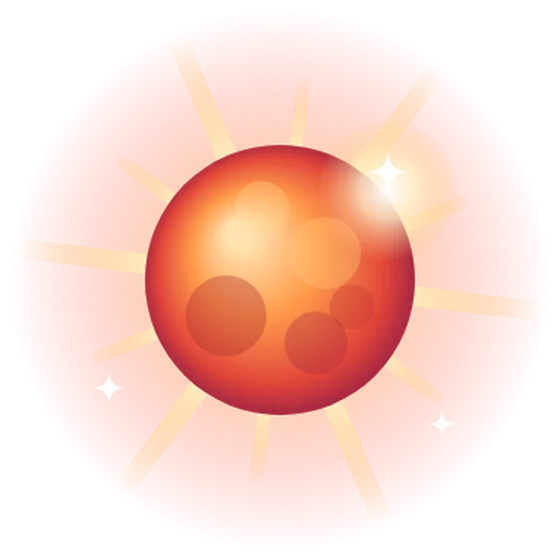
Every 4 moves a flash shows the stars under the clouds for one move. The dots show how many moves are left.
In reality: In autumn 2019 Betelgeuse began to dim, and by February 2020 it had lost about two thirds of its light behind its own dust. It should explode as a supernova within 100,000 years, shining as bright as the half Moon for more than three months.

Every 3 moves the top and bottom rows swap places. The dots show how many moves are left.
In reality: On the night of 12–13 November 1833 the Leonids became a storm: by one estimate, over a hundred thousand meteors fell an hour. They are dust left by comet Tempel–Tuttle.
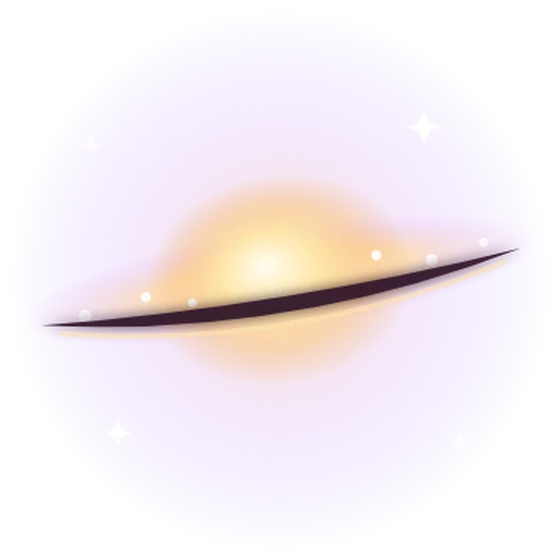
Every 4 moves the board turns half a circle; each jar takes the place of the one opposite. The dots show how many moves are left.
In reality: The Sombrero Galaxy is 31 million light years away and seen almost edge-on. The dark band across it is a ring of dust round its bright centre, where most of its new stars are born.
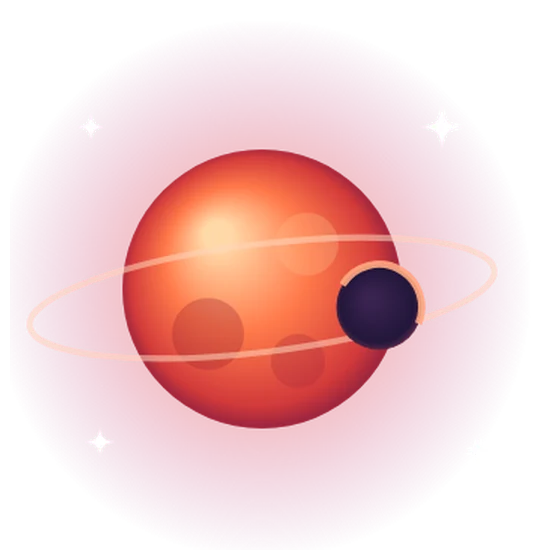
Each move a planet passes in front of a jar, and that jar’s stars are dark for one move. You can still tap the jar.
In reality: Gliese 581 is a red dwarf 20 light years away with three confirmed planets. The “habitable” planet announced in 2010 turned out, most likely, to be the star’s own activity.
A crowded cluster: more jars, smaller ones, and more colours.
In reality: M4 is the globular cluster nearest us: 6,000 light-years away, its stars some 12 billion years old.
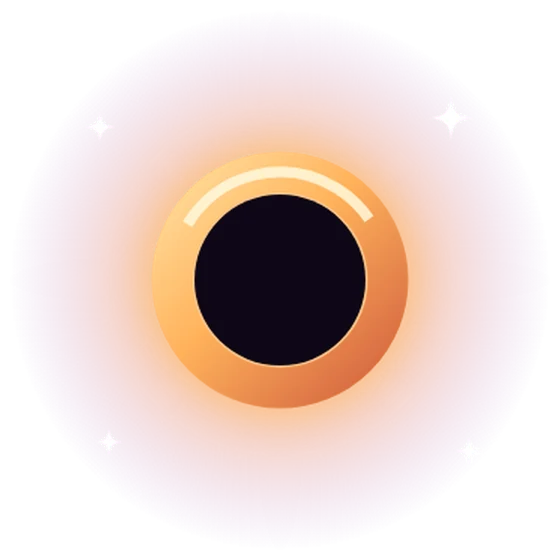
Every 3 moves each row’s outer jars move one place towards the centre, and the innermost is flung to the edge. The dots show how many moves are left.
In reality: At the Milky Way’s heart lies Sagittarius A*, a black hole of 4.3 million Suns. Its first picture was released in 2022.
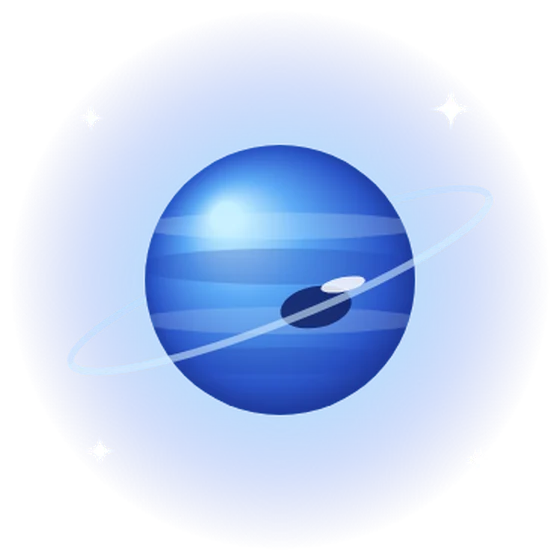
Every 4 moves the board flips as in a mirror: the jars on the right go to the left, and the left ones to the right. The dots show how many moves are left.
In reality: Neptune was the first planet found by calculation: Le Verrier expected it in Capricornus, five degrees east of Deneb Algedi, and on 23 September 1846 Galle found it within a degree of that place.
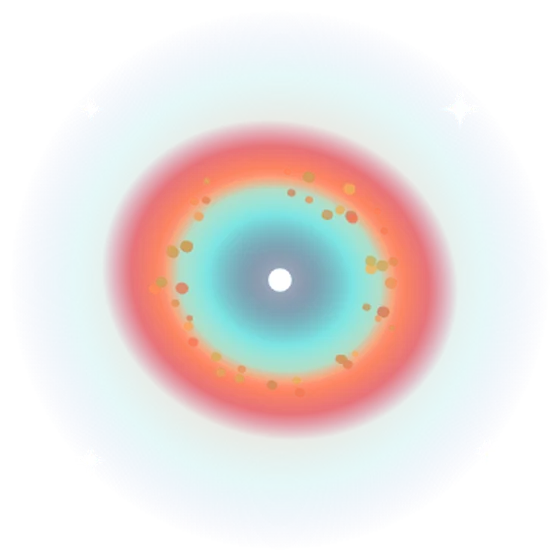
Every 3 moves the eye closes: for one move only the top stars show. The dots show how many moves are left.
In reality: The Helix Nebula is one of the nearest bright planetary nebulae: 655 light years away, a shell of gas some 10,600 years old shed by a dying star. It looks like an eye, and is sometimes called the “Eye of God”.
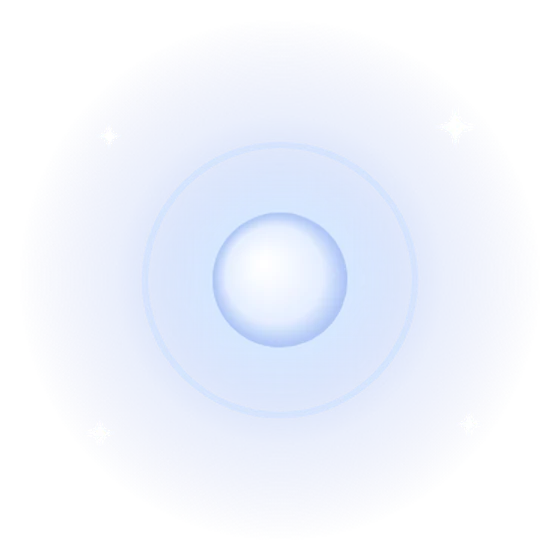
Pale light: stars under the top lose their colour. Read them by their shapes.
In reality: Van Maanen’s Star is one of the nearest white dwarfs to the Sun: about 14 light-years away, in Pisces. Adriaan van Maanen spotted it in 1917 by its quick drift across the sky.
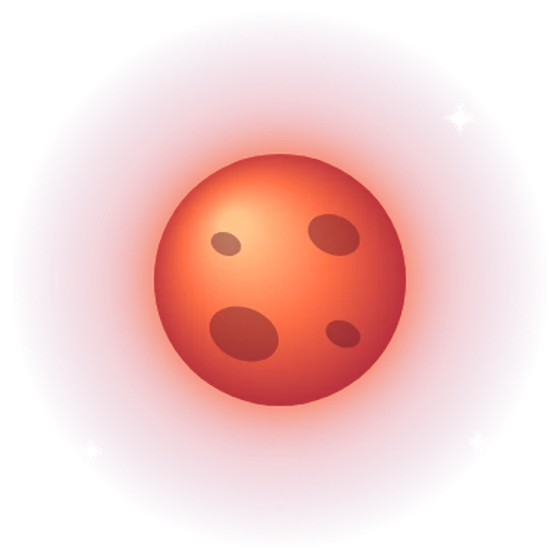
Long night: every 4 moves another jar goes dark and shows only its top star. Sealing a jar brings the light back. The dots show the moves left.
In reality: Teegarden’s Star is a red dwarf only 12.5 light-years away, in Aries. Close as it is, it is far too faint to see with the naked eye.
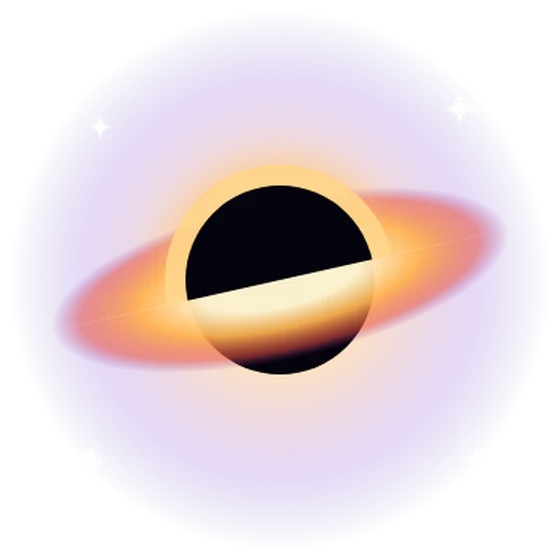
Event horizon: the middle jar’s glass is black and only its top star shows. Keep in mind what lies beneath.
In reality: Cygnus X-1 was the first object accepted as a black hole: about 7,000 light-years away, some 21 times the Sun’s mass. It cannot be seen itself; it was found by the glow of gas it pulls from its giant companion.
Play two boards in your browser now. No download, no account.